

2026 Guide: Best Window Tint for SUVs in Gainesville, GA Selecting the best window tint for SUVs in Gainesville, GA involves balancing local legal standards with the technical requirements of high performance heat rejection. North Georgia drivers face unique environmental challenges, ranging from intense summer humidity to the high reflective glare found near Lake Lanier. This guide provides a technical breakdown of the most effective solutions for protecting your vehicle and enhancing your daily driving experience. Why Gainesville SUV Owners Need Specialized Window Tint The climate in Hall County necessitates a proactive approach to vehicle climate control. SUVs are particularly susceptible to the greenhouse effect because their large windshields and expansive side windows allow vast amounts of solar energy to penetrate the cabin. Without high quality heat rejection film for SUVs, your air conditioning system must work at maximum capacity to maintain a tolerable temperature, which can lead to increased fuel consumption and mechanical strain over time. A professional grade film acts as a persistent shield, blocking a vast majority of harmful radiation. This protection is a vital investment for anyone looking to maintain the resale value and aesthetic integrity of their sport utility vehicle. Comparing Nano-Ceramic vs. Carbon Tint for Your SUV When evaluating window film technology in 2026, nano ceramic and carbon represent the primary choices for high end applications. Carbon films utilize carbon particles to achieve a deep matte finish that effectively blocks solar energy. In a general sense, lower quality dyed films can fade or undergo color shifts over time, though this typically depends on the manufacturer. A more reliable option is a high density carbon or nano ceramic film, such as those made by HITEK Films, which are engineered for superior color stability. For Gainesville drivers frequently navigating the I-985 corridor, ceramic window tint Gainesville GA provides the most effective barrier against the “burning” sensation caused by infrared rays. Understanding Georgia Window Tint Laws for SUVs in 2026 Compliance with state regulations is a critical factor when selecting a film shade. Georgia law distinguishes between passenger cars and multi purpose vehicles, such as SUVs and vans. While the front side windows are held to a specific standard, owners of SUVs have significantly more flexibility regarding the darkness of their rear windows. Adhering to Georgia window tint laws 2026 ensures that your vehicle remains street legal while still achieving your privacy and heat rejection goals. Modern films allow you to maximize performance without necessarily using the darkest possible tint. Key Factors When Choosing the Best Film for Your Vehicle TSER (Total Solar Energy Rejection) and Heat Management The most accurate way to measure a film’s performance is through its TSER rating. This metric accounts for the rejection of ultraviolet light, visible light, and infrared radiation. A high TSER rating is the primary indicator that your SUV will remain cool even when parked in direct sunlight for extended periods. If you do not prioritize a high TSER rating for your SUV, you may experience several negative outcomes: The interior remains uncomfortably hot despite the windows looking dark, leading to physical discomfort and fatigue. The interior materials are subjected to high thermal stress, which accelerates the aging process of plastics and adhesives. Rear passengers, particularly children or pets, are exposed to high levels of solar heat gain through the large rear windows. Infrared (IR) Rejection for Large Glass Surfaces Infrared light is the primary source of heat that you feel on your skin while driving. Specialized IR rejection films target these specific wavelengths to provide an immediate improvement in cabin comfort. High performance films, such as those made by HITEK Films, are designed to block a massive majority of these rays. Clarity and Signal Interference Modern SUVs are essentially mobile computers, relying on GPS, 5G hotspots, and satellite connectivity. Older metallic films often block these signals, resulting in poor navigation accuracy and dropped calls. Carbon and ceramic films are non conductive and non metallic, which guarantees that all your vehicle’s electronic systems function with perfect clarity. Frequently Asked Questions Is 5% tint legal on SUVs in Georgia? In Georgia, while the front side windows must allow more than thirty two percent of light to pass through, SUVs are permitted to have any darkness on the rear side and back windows. This allows for maximum privacy and heat rejection in the passenger and cargo areas. Does ceramic tint really keep an SUV cooler than carbon? Yes, ceramic tint is generally more effective at blocking infrared heat. This makes it the superior choice for Gainesville drivers who want the highest possible thermal comfort without needing to go to a very dark tint shade. Will window tint interfere with my SUV’s 5G or GPS? As long as you choose a non metallic film, such as those made by HITEK Films, your electronic signals will be unaffected. These films are specifically engineered to be signal friendly for the latest connected vehicle technologies. How long does professional SUV window tinting take in Gainesville? A professional installation for a full SUV typically takes a few hours. This ensures the film is precision cut and heat molded to the complex curves of the glass for a factory like finish. 📲 Call *phone number* and get professional advice to protect your SUV with the highest quality window films in North Georgia and improve your driving comfort today.
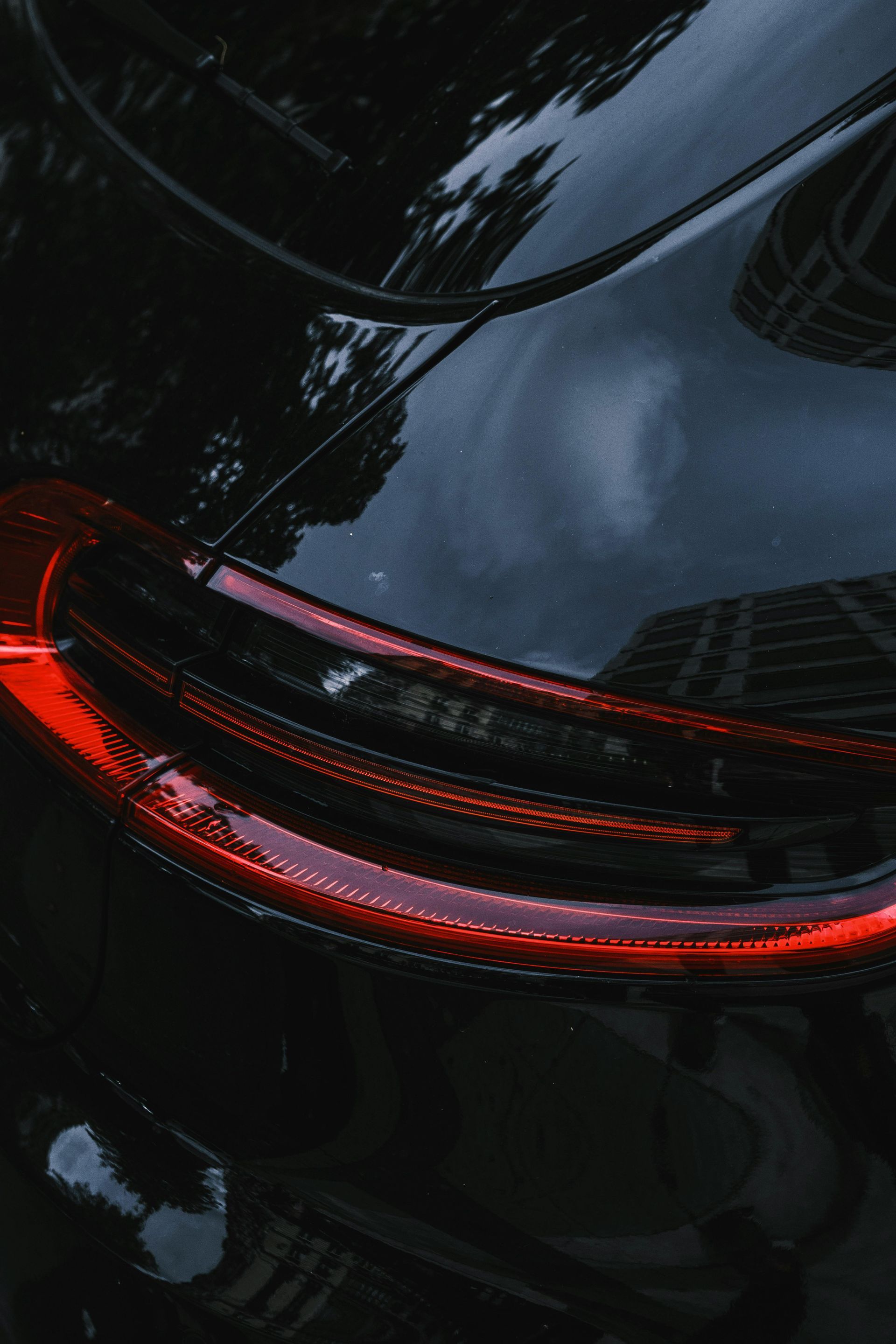
2026 Guide: Best Window Tint for SUVs in Gainesville, GA Selecting the best window tint for SUVs in Gainesville, GA involves balancing local legal standards with the technical requirements of high performance heat rejection. North Georgia drivers face unique environmental challenges, ranging from intense summer humidity to the high reflective glare found near Lake Lanier. This guide provides a technical breakdown of the most effective solutions for protecting your vehicle and enhancing your daily driving experience. Why Gainesville SUV Owners Need Specialized Window Tint The climate in Hall County necessitates a proactive approach to vehicle climate control. SUVs are particularly susceptible to the greenhouse effect because their large windshields and expansive side windows allow vast amounts of solar energy to penetrate the cabin. Without high quality heat rejection film for SUVs, your air conditioning system must work at maximum capacity to maintain a tolerable temperature, which can lead to increased fuel consumption and mechanical strain over time. A professional grade film acts as a persistent shield, blocking a vast majority of harmful radiation. This protection is a vital investment for anyone looking to maintain the resale value and aesthetic integrity of their sport utility vehicle. Comparing Nano-Ceramic vs. Carbon Tint for Your SUV When evaluating window film technology in 2026, nano ceramic and carbon represent the primary choices for high end applications. Carbon films utilize carbon particles to achieve a deep matte finish that effectively blocks solar energy. In a general sense, lower quality dyed films can fade or undergo color shifts over time, though this typically depends on the manufacturer. A more reliable option is a high density carbon or nano ceramic film, such as those made by HITEK Films, which are engineered for superior color stability. For Gainesville drivers frequently navigating the I-985 corridor, ceramic window tint Gainesville GA provides the most effective barrier against the “burning” sensation caused by infrared rays. Understanding Georgia Window Tint Laws for SUVs in 2026 Compliance with state regulations is a critical factor when selecting a film shade. Georgia law distinguishes between passenger cars and multi purpose vehicles, such as SUVs and vans. While the front side windows are held to a specific standard, owners of SUVs have significantly more flexibility regarding the darkness of their rear windows. Adhering to Georgia window tint laws 2026 ensures that your vehicle remains street legal while still achieving your privacy and heat rejection goals. Modern films allow you to maximize performance without necessarily using the darkest possible tint. Key Factors When Choosing the Best Film for Your Vehicle TSER (Total Solar Energy Rejection) and Heat Management The most accurate way to measure a film’s performance is through its TSER rating. This metric accounts for the rejection of ultraviolet light, visible light, and infrared radiation. A high TSER rating is the primary indicator that your SUV will remain cool even when parked in direct sunlight for extended periods. If you do not prioritize a high TSER rating for your SUV, you may experience several negative outcomes: The interior remains uncomfortably hot despite the windows looking dark, leading to physical discomfort and fatigue. The interior materials are subjected to high thermal stress, which accelerates the aging process of plastics and adhesives. Rear passengers, particularly children or pets, are exposed to high levels of solar heat gain through the large rear windows. Infrared (IR) Rejection for Large Glass Surfaces Infrared light is the primary source of heat that you feel on your skin while driving. Specialized IR rejection films target these specific wavelengths to provide an immediate improvement in cabin comfort. High performance films, such as those made by HITEK Films, are designed to block a massive majority of these rays. Clarity and Signal Interference Modern SUVs are essentially mobile computers, relying on GPS, 5G hotspots, and satellite connectivity. Older metallic films often block these signals, resulting in poor navigation accuracy and dropped calls. Carbon and ceramic films are non conductive and non metallic, which guarantees that all your vehicle’s electronic systems function with perfect clarity. Frequently Asked Questions Is 5% tint legal on SUVs in Georgia? In Georgia, while the front side windows must allow more than thirty two percent of light to pass through, SUVs are permitted to have any darkness on the rear side and back windows. This allows for maximum privacy and heat rejection in the passenger and cargo areas. Does ceramic tint really keep an SUV cooler than carbon? Yes, ceramic tint is generally more effective at blocking infrared heat. This makes it the superior choice for Gainesville drivers who want the highest possible thermal comfort without needing to go to a very dark tint shade. Will window tint interfere with my SUV’s 5G or GPS? As long as you choose a non metallic film, such as those made by HITEK Films, your electronic signals will be unaffected. These films are specifically engineered to be signal friendly for the latest connected vehicle technologies. How long does professional SUV window tinting take in Gainesville? A professional installation for a full SUV typically takes a few hours. This ensures the film is precision cut and heat molded to the complex curves of the glass for a factory like finish. 📲 Call *phone number* and get professional advice to protect your SUV with the highest quality window films in North Georgia and improve your driving comfort today.